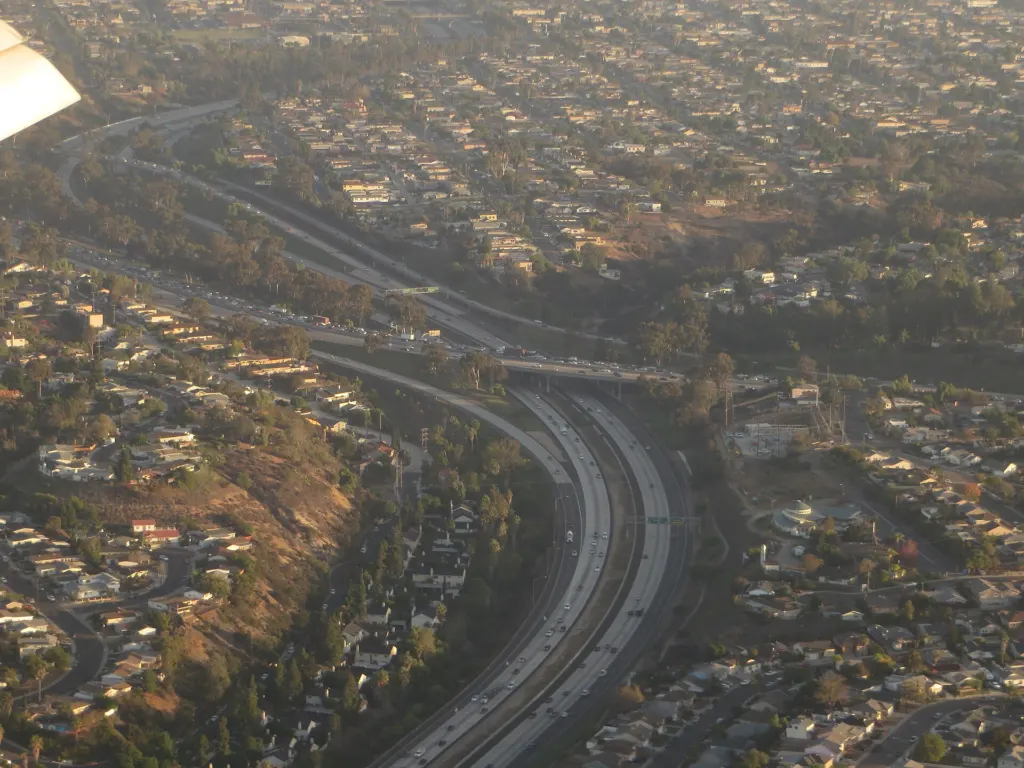
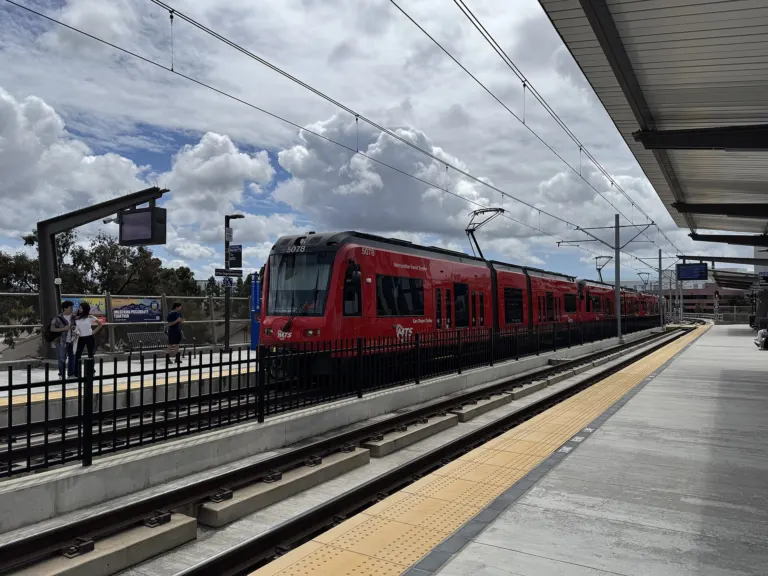
Photo: Ken Lund from Reno, Nevada, USA / Wikimedia Commons (CC BY-SA 2.0)
California’s roads, bridges and transit systems need constant maintenance, and for years funding fell short as fuel-efficient cars cut gas tax revenue. In San Diego County, money for transportation comes from a mix of state, local and federal sources.
State: SB 1
In 2017, the Legislature passed Senate Bill 1, the Road Repair and Accountability Act. It raised gasoline and diesel excise taxes, added vehicle registration fees and indexed the taxes to inflation, generating billions of dollars a year statewide for road repair, bridges and transit. A 2018 ballot measure to repeal it, Proposition 6, was rejected by voters. Cities and counties, including San Diego, receive a share for local street repairs and must report how it is spent.
Local: TransNet
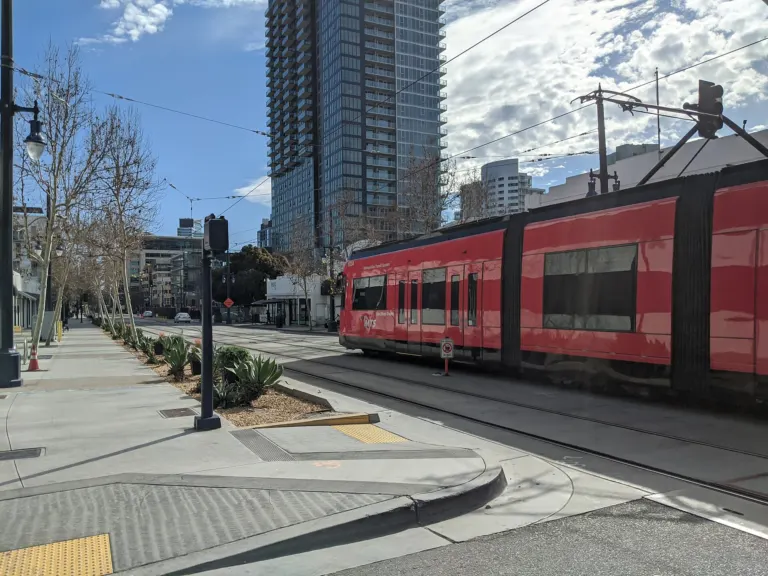
San Diego County voters approved TransNet, a half-cent sales tax for transportation, in 1987 and extended it in 2004 through 2048. It is administered by SANDAG, the San Diego Association of Governments, and has helped pay for highway projects, local streets and transit, including the Mid-Coast Trolley extension to UC San Diego.
The Regional Plan
SANDAG’s long-range Regional Plan lays out highway, transit, bike and pedestrian projects for decades ahead, along with how to pay for them. Plans are updated every four years, and debates over how much to invest in transit versus highways, and whether to add new taxes or fees, are a recurring part of regional politics.
Why it matters
For residents, these funding streams determine how fast potholes get filled, how often buses and trolleys run and whether long-planned projects get built.
 By
By 
.jpg)