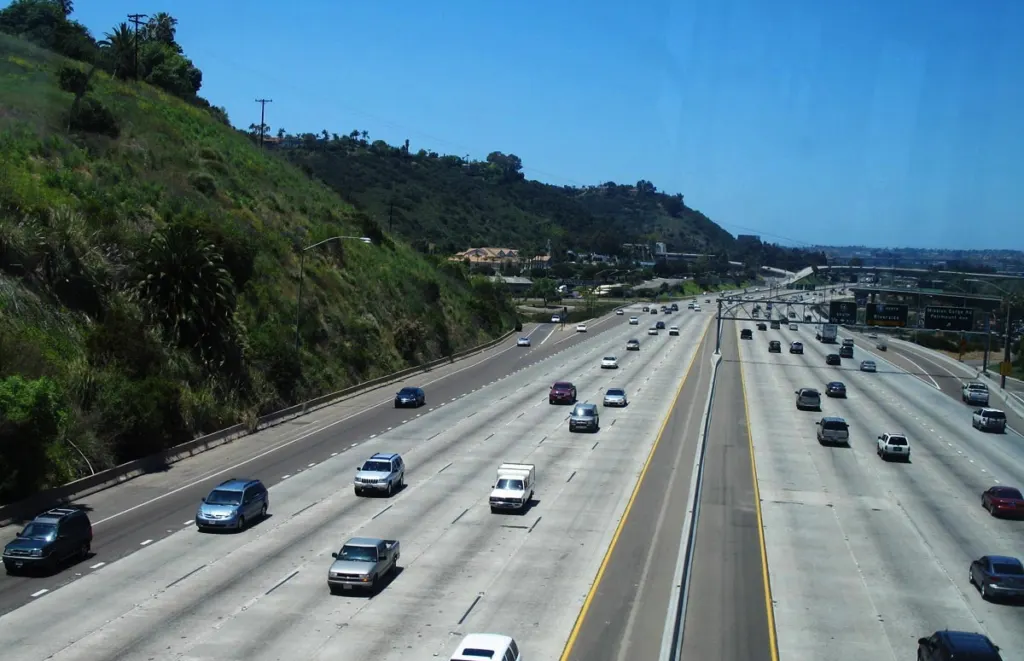
Photo: Alfred Twu / Wikimedia Commons (CC0)
San Diego is one of the most expensive regions in the country, and that changes what it means to be poor here. The federal poverty line, set nationally, does not account for local housing costs, so researchers and local agencies use other measures to understand hardship in the county.
Measuring poverty
The official poverty measure compares pre-tax cash income against a national threshold based on family size. The California Poverty Measure, developed by the Public Policy Institute of California and the Stanford Center on Poverty and Inequality, adjusts for regional housing costs and counts the value of safety-net programs such as CalFresh food benefits and tax credits. By that measure, poverty rates in high-cost coastal regions like San Diego are typically higher than the official numbers suggest, while safety-net programs keep many families above the line.
Housing drives the gap
Rent is the biggest factor. Households that spend more than 30% of income on housing are considered cost-burdened, and a large share of San Diego renters fall into that group, leaving less for food, transportation, child care and health care.
Where to find help
- 211 San Diego: a free, 24-hour line and website connecting residents to food, housing, utility and health resources.
- CalFresh: food assistance, applied for through the County of San Diego or GetCalFresh.org.
- Tax credits: the federal Earned Income Tax Credit and California’s CalEITC and Young Child Tax Credit can add significant money at tax time. Free tax preparation is available through VITA sites.
- Utility discounts: SDG&E’s CARE and FERA programs.
Sources
- Public Policy Institute of California: California Poverty Measure
- 211 San Diego
- County of San Diego Health and Human Services Agency
 By
By