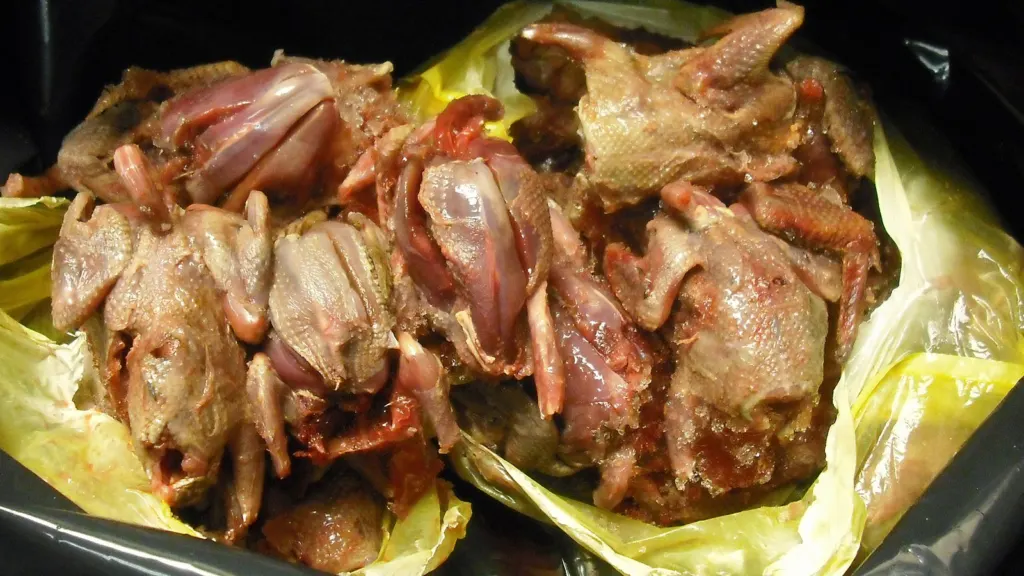
Raw bird carcasses seized by CBP agriculture specialists at the San Ysidro port of entry. Photo: CBP Photography / Wikimedia Commons, public domain
Anyone planning a Thanksgiving run to Tijuana for ingredients should know what the inspectors at San Ysidro and Otay Mesa will take away. Raw eggs, raw chicken and other raw poultry, and live birds from Mexico are prohibited in the United States, and U.S. Customs and Border Protection says travelers must declare every food and agricultural item they carry, whether it is allowed or not.
The rules are not new, but they are easy to forget during a holiday rush, and the consequences of skipping the declaration are larger than losing a bag of groceries.
What is prohibited from Mexico
CBP’s San Diego Field Office has listed the core banned items plainly: travelers may not bring fresh eggs, raw chicken or live birds into the United States from Mexico. The office tied the rule to avian influenza and to virulent Newcastle disease, a poultry virus. It noted that even items such as soiled bird cages or used egg cartons can spread disease. In early 2025, the office reported a 158% increase in egg interceptions at its ports since fiscal year 2024.
Meat is the other big category. CBP’s guidance on agricultural products says many fresh, dried and some canned meats are barred from foreign countries because of foot-and-mouth disease, mad cow disease and other animal diseases. A product that contains restricted meat as an ingredient, such as beef broth, is usually prohibited too. The agency notes that meat rules change often with disease outbreaks.
Fruit and produce: some yes, some only with a permit
Many fruits and vegetables grown in Mexico can cross if they are declared, inspected and found free of pests. But CBP says several common holiday and market items from Mexico require a permit, which casual shoppers will not have:
- stone fruit, such as peaches and plums
- apples
- mangoes
- oranges
- guavas
- sapote
- cherimoya
- sweet limes
Avocados are a special case. Mexican avocados that are peeled, halved and have the seed removed can enter if they are in liquid or vacuum-packed, subject to inspection. Soil is banned without an advance permit, and travelers who have been on a farm or near livestock should say so, because inspectors may need to check shoes or luggage.
Declare it, even if you think it’s fine
The key rule is the declaration. CBP agriculture specialists, not the traveler, decide whether an item is admissible. Undeclared prohibited items are confiscated and destroyed. CBP’s general guidance says civil penalties for a first-time, non-commercial violation can reach $1,000, with higher penalties for commercial quantities. The San Diego Field Office has warned that failing to declare can bring fines of up to $10,000.
Food for personal use can come through a passenger crossing. Food meant for resale or distribution has to be imported through a cargo facility, according to the San Diego office.
Declaring an item does not mean you keep it. It means that if the item is banned, you lose the item and avoid the penalty.
Timing the crossing
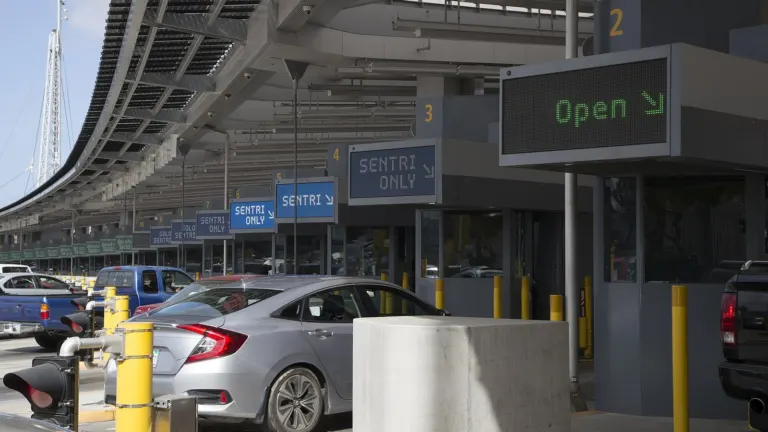
The San Ysidro port is open 24 hours a day, seven days a week, according to CBP’s port listing. So are Otay Mesa and the San Ysidro SENTRI lanes. The Otay Mesa SENTRI lanes are listed as open 6 a.m. to 10 p.m., Monday through Friday, and the PedWest pedestrian facility 6 a.m. to 2 p.m. on weekdays. CBP posts live and historical waits on its border wait times site.
Holiday weekends are hard on the northbound lanes. Earlier this month, the combination of Buen Fin and a U.S. holiday Monday produced long waits at San Ysidro. For documents, lanes and the basics of the trip, see our guide on what to know before crossing at San Ysidro or Otay Mesa. More cross-border coverage is in our Border & Binational section.
When in doubt, CBP’s guidance points travelers to USDA’s Animal and Plant Health Inspection Service, which sets the import rules that inspectors enforce at the line.

 By